




Private Walking Tour of the European Quarter of Brussels
Home » Tours in Brussels » Private Walking Tour of the European Quarter of Brussels
OVERVIEW
Brussels hosts the official seats of the European Commission, Council of the European Union, and European Council, as well as a seat (officially the second seat) of the European Parliament. Probably it all sounds a bit confusing, especially if you don’t live in a member country of the European Union, but this private tour will help you understand the foundations and development of the European institutions and explain in detail of how the whole union works, its history, values and significance.
Some regard the European Union as a reincarnation of the Roman Empire, others as the most powerful political union on Earth … but to visit the exact places where all vital decisions are made, impacting the lives of half a billion people and shaping the world’s politics on a daily basis, is an absolutely exciting experience!
DURATION
4 HOURS
BOOKING DAYS
EVERY DAY, STARTING BETWEEN 9 AM & 2 PM
LANGUAGE
ENGLISH






HIGHLIGHTS
- Place du Luxembourg
- Leopold Park
- Paul-Henri Spaak Building
- European Parliament Hemicycle
- Agora Simone Veil
- Justus Lipsius Building
- House of European History
- Berlaymont - The European Commission
- Europa Building - Consilium
- The Charlemagne building
- Cinquantenaire Park and Triumphal Arch
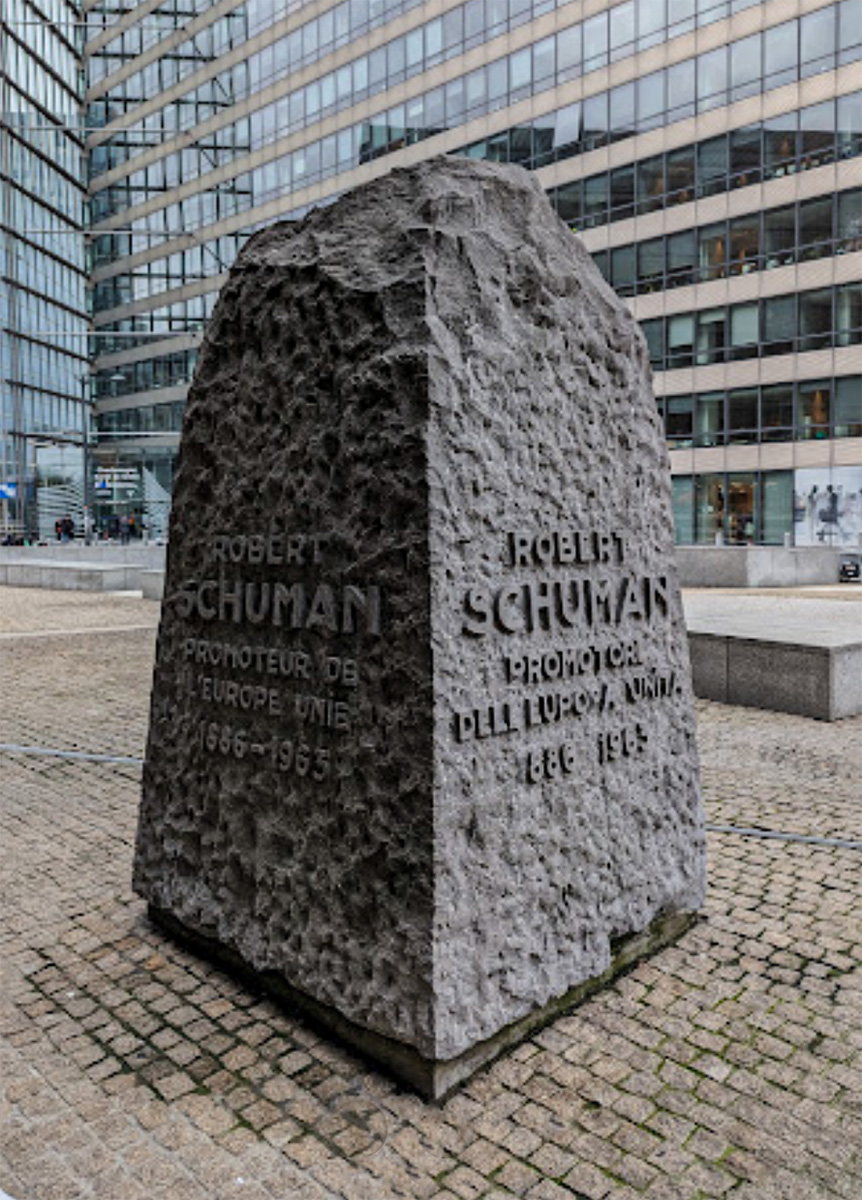
- Schuman Roundabout
More information
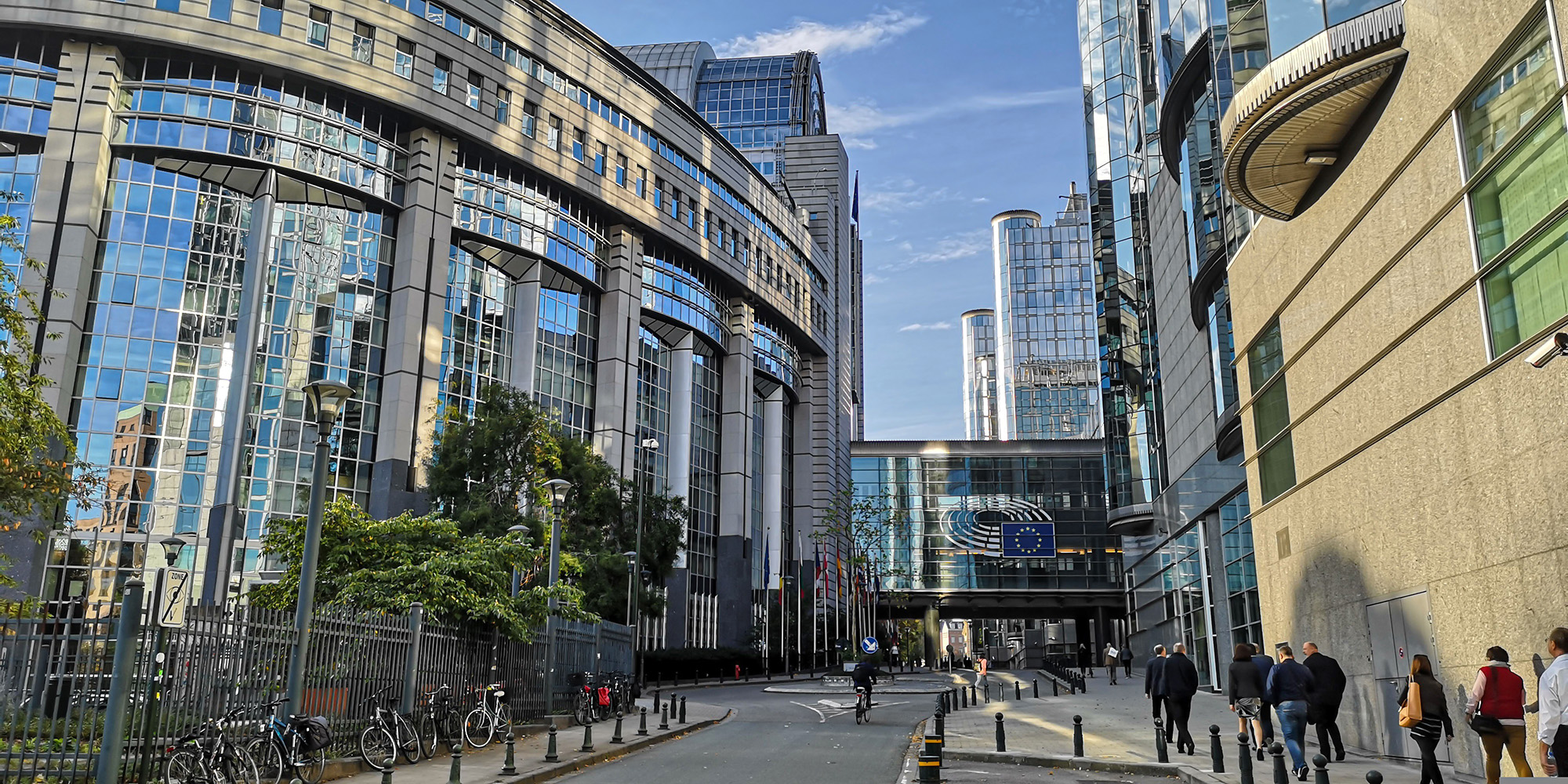
Our journey begins at Place du Luxembourg, one of the liveliest and most recognisable places in Brussels’ European Quarter. From here, the vast European Parliament complex immediately dominates the surroundings. Beside the historic façade of the former Luxembourg railway station stands the monument to John Cockerill, the British-born industrialist who played an important role in Belgium’s remarkable industrial development during the 19th century. This is the perfect place to begin discovering how Brussels gradually became one of the principal centres of European political life.
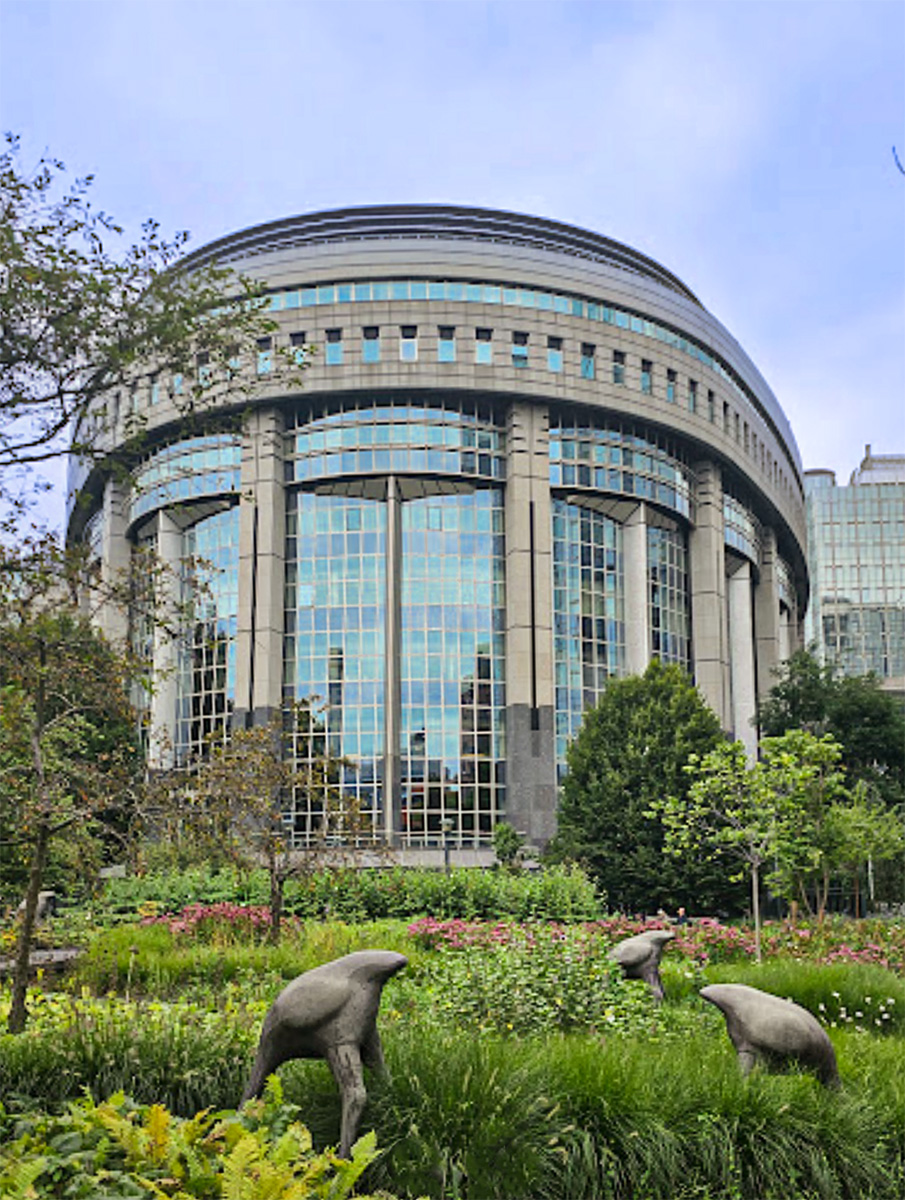
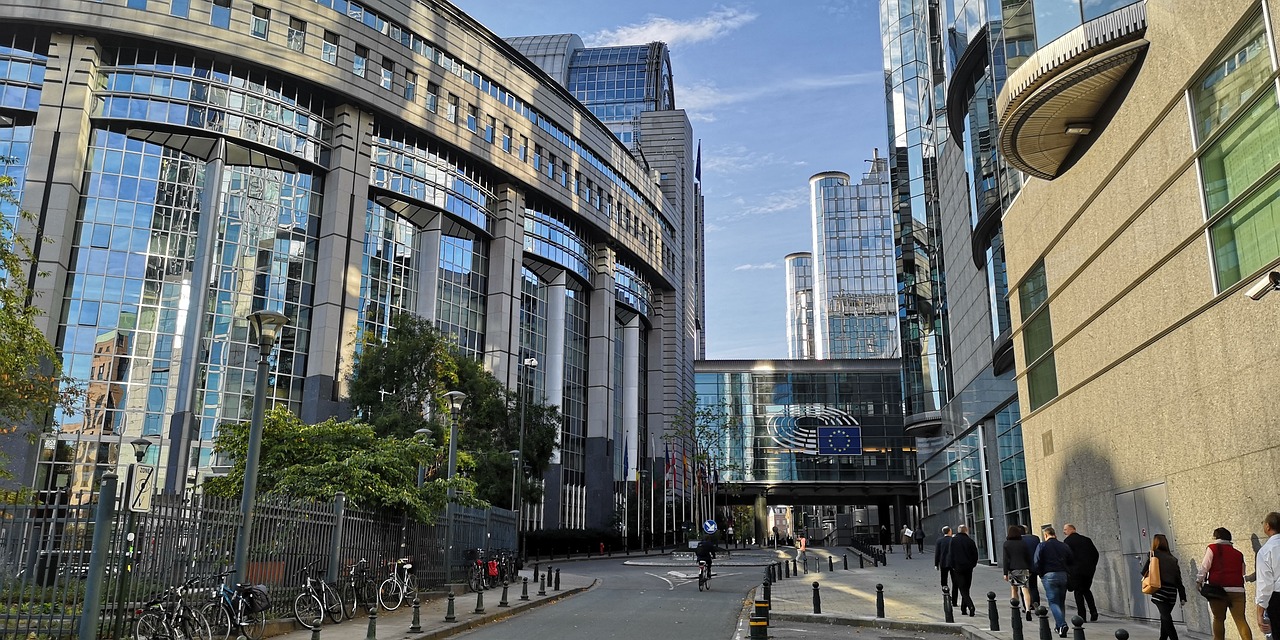
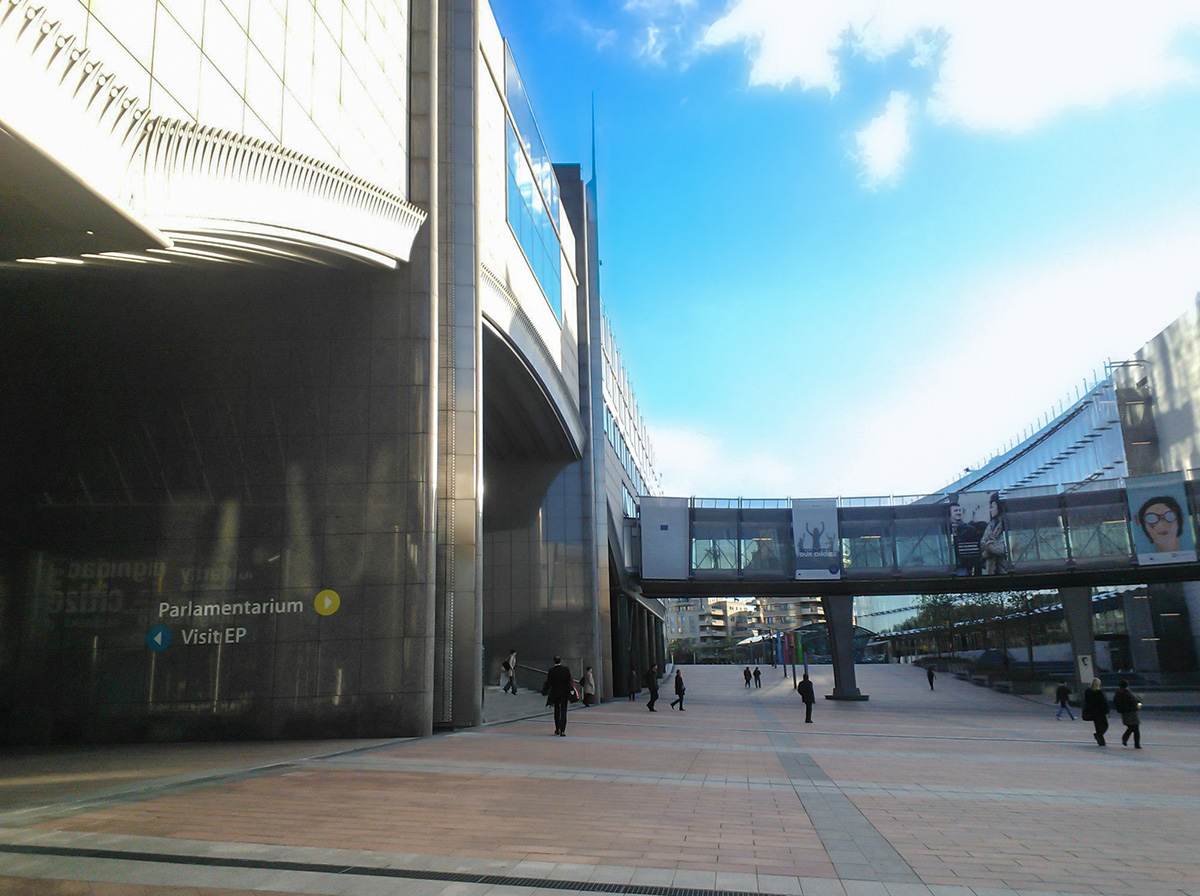
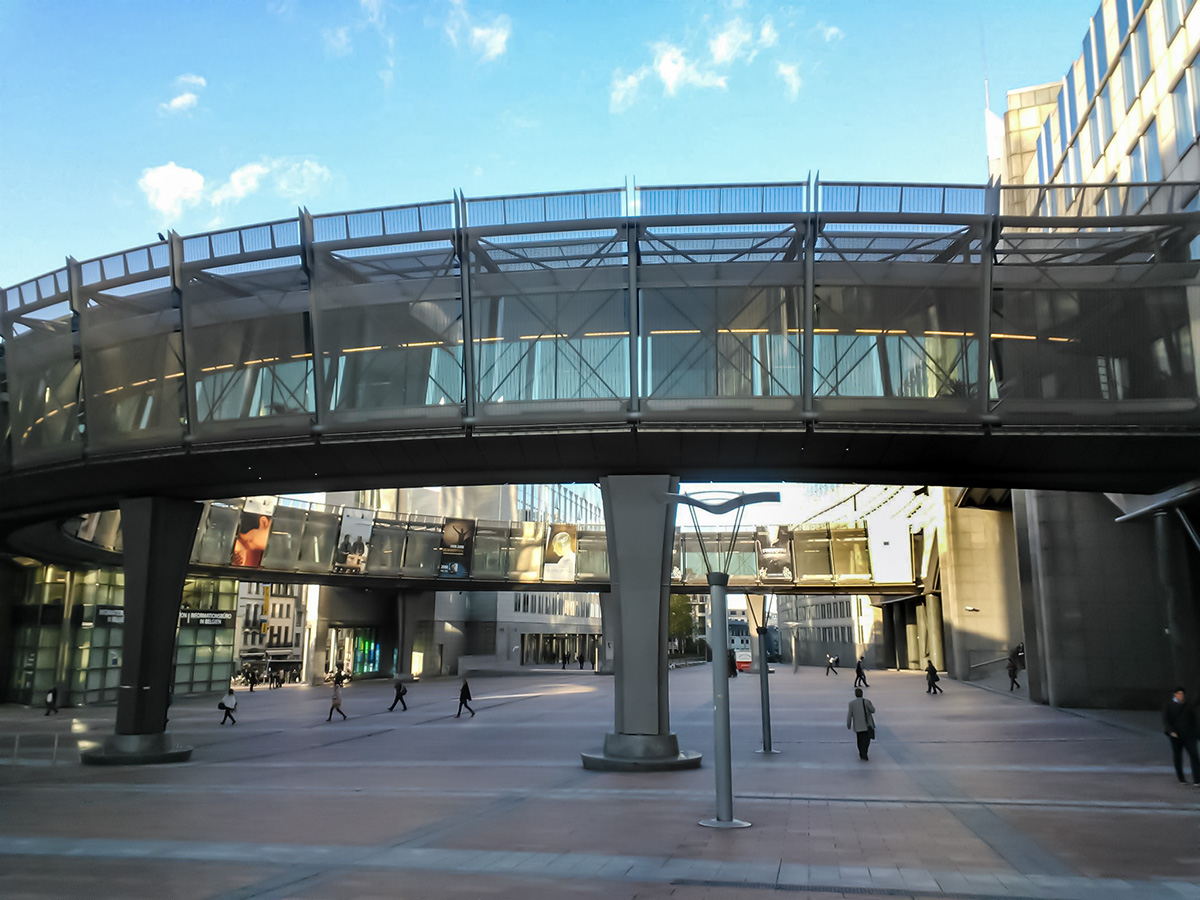
We continue towards the European Parliament, passing Station Europe and the Esplanade Solidarność 1980 before entering the impressive parliamentary complex. Here we discover how the European Parliament works, how its political groups are organised and how its directly elected Members represent citizens from all 27 Member States of the European Union. We will also explore why the Parliament works between Brussels, Strasbourg and Luxembourg and how it shares legislative and budgetary powers with the Council of the European Union.
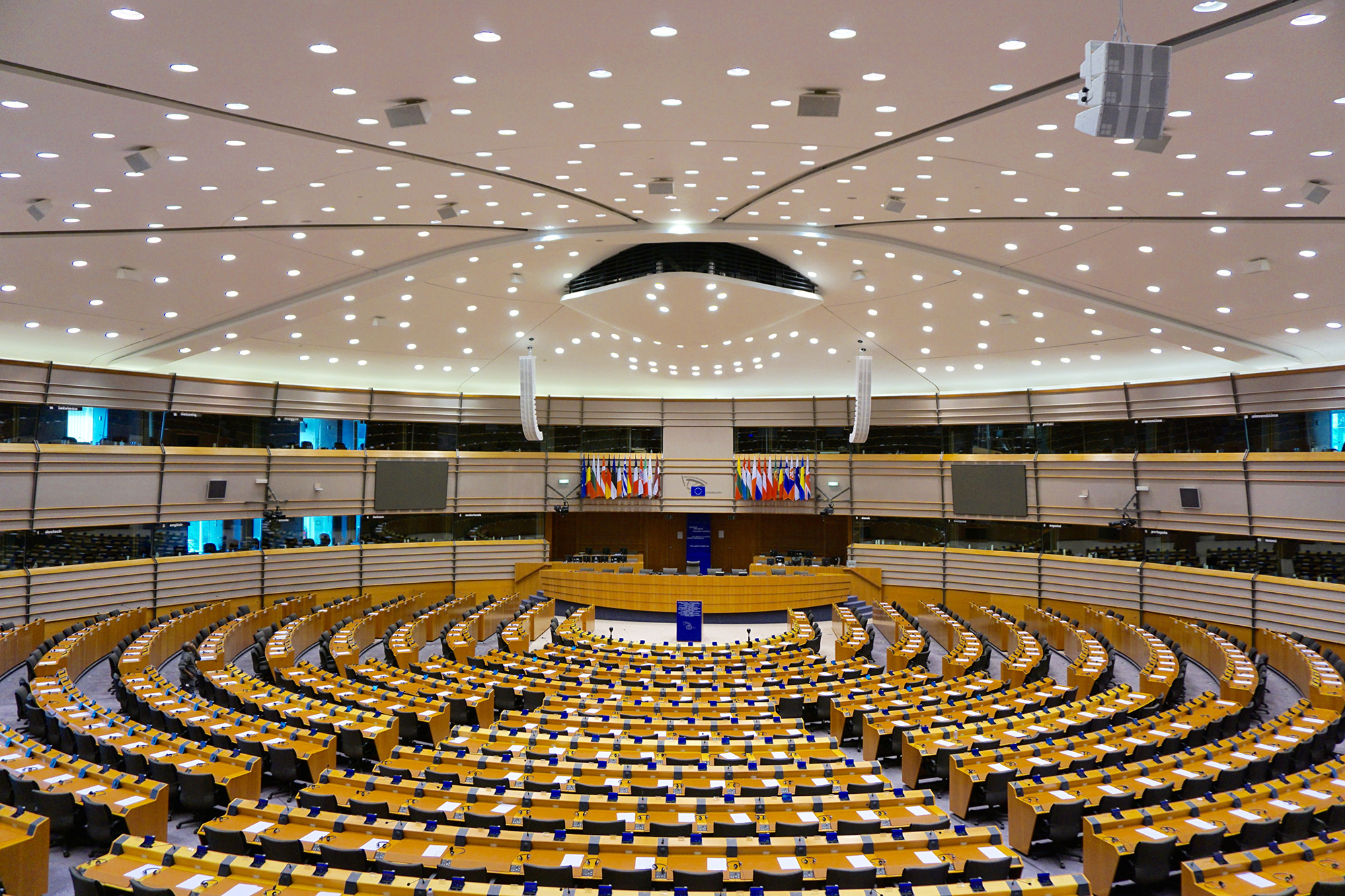
One of the highlights of the tour is our visit to the European Parliament and its Hemicycle, the chamber associated with parliamentary debates and voting in Brussels. Standing inside one of the most important political institutions in Europe gives a completely different perspective on the European Union and allows us to understand more clearly how European parliamentary democracy functions in practice. During our visit, we will also unravel one of the most confusing aspects of the EU: the differences between the European Parliament, European Commission, European Council and Council of the European Union.
Leaving the Parliament buildings behind, we enter the peaceful surroundings of Leopold Park, a surprising green oasis in the middle of the European Quarter. Long before European institutions transformed this part of Brussels, the area had a very different character and was once home to a zoological garden and important scientific institutions. Today, elegant historic buildings, landscaped gardens and modern European offices coexist around its picturesque lake.
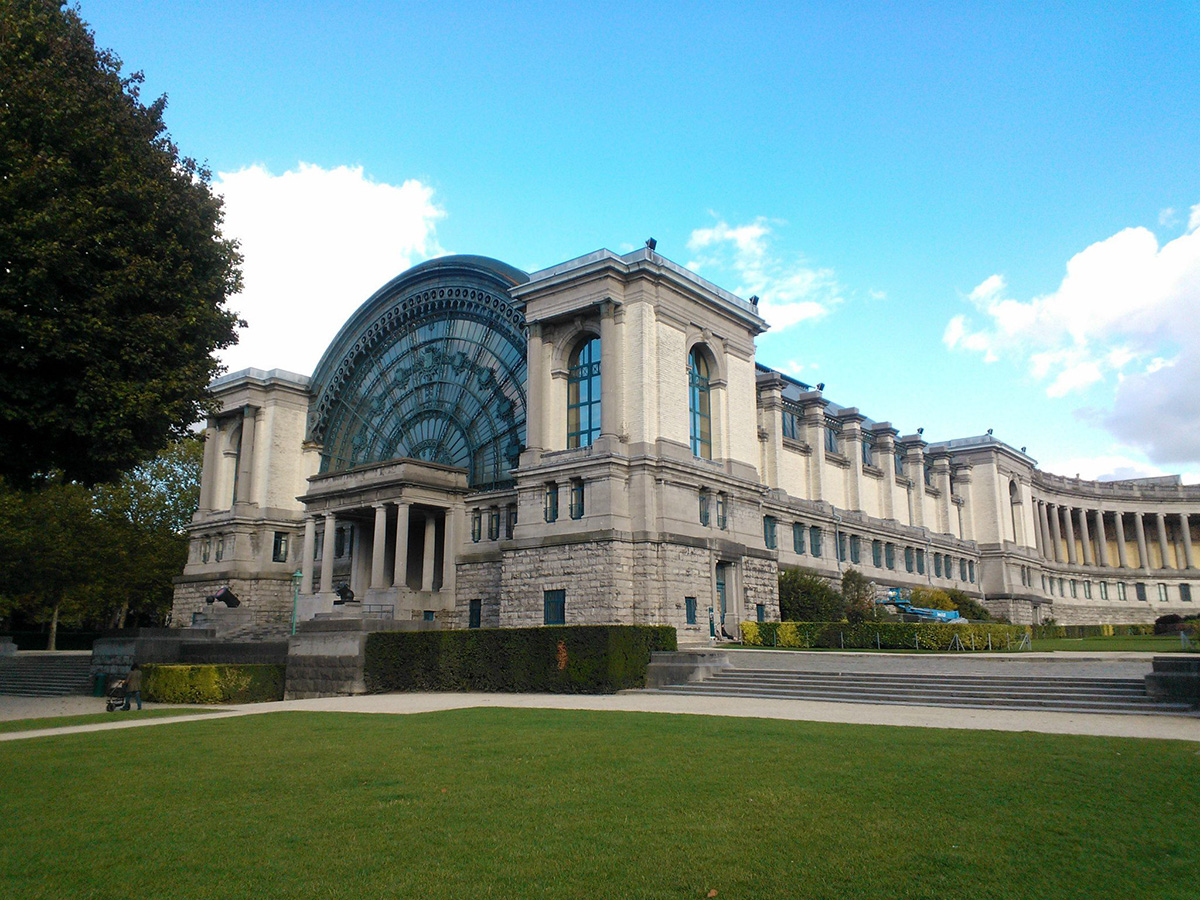
Within Leopold Park stands the House of European History, where we make another important visit during our tour. Housed in the beautifully restored Eastman Building, the museum takes us through some of the defining events, ideas and transformations that shaped modern Europe. Its exhibitions explore industrialisation, nationalism, political revolution, two world wars, dictatorship, democracy, the division of Europe during the Cold War, reconciliation and the gradual process of European integration.
During our visit, we will concentrate on selected highlights of the museum, allowing us to understand how a continent repeatedly divided by conflict eventually developed new forms of political and economic cooperation. The House of European History is not simply a museum about the European Union; it provides a much broader perspective on the experiences, achievements, tragedies and debates that have shaped Europe over the past two centuries.
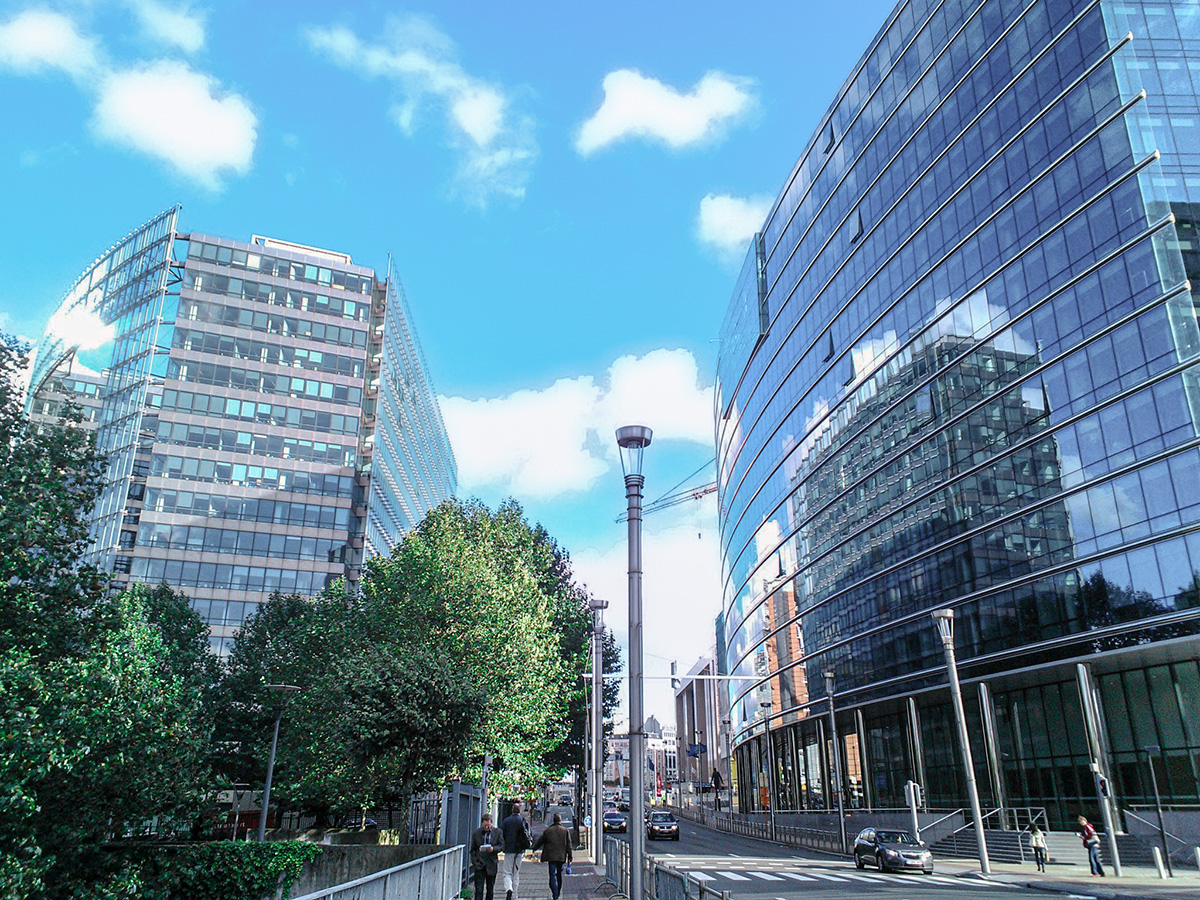
From Leopold Park, we continue towards Rue de la Loi and the Schuman district, the symbolic centre of European executive and intergovernmental decision-making in Brussels. Here, the architecture itself helps us understand how the European institutions work, as different buildings represent different parts of the European political system.
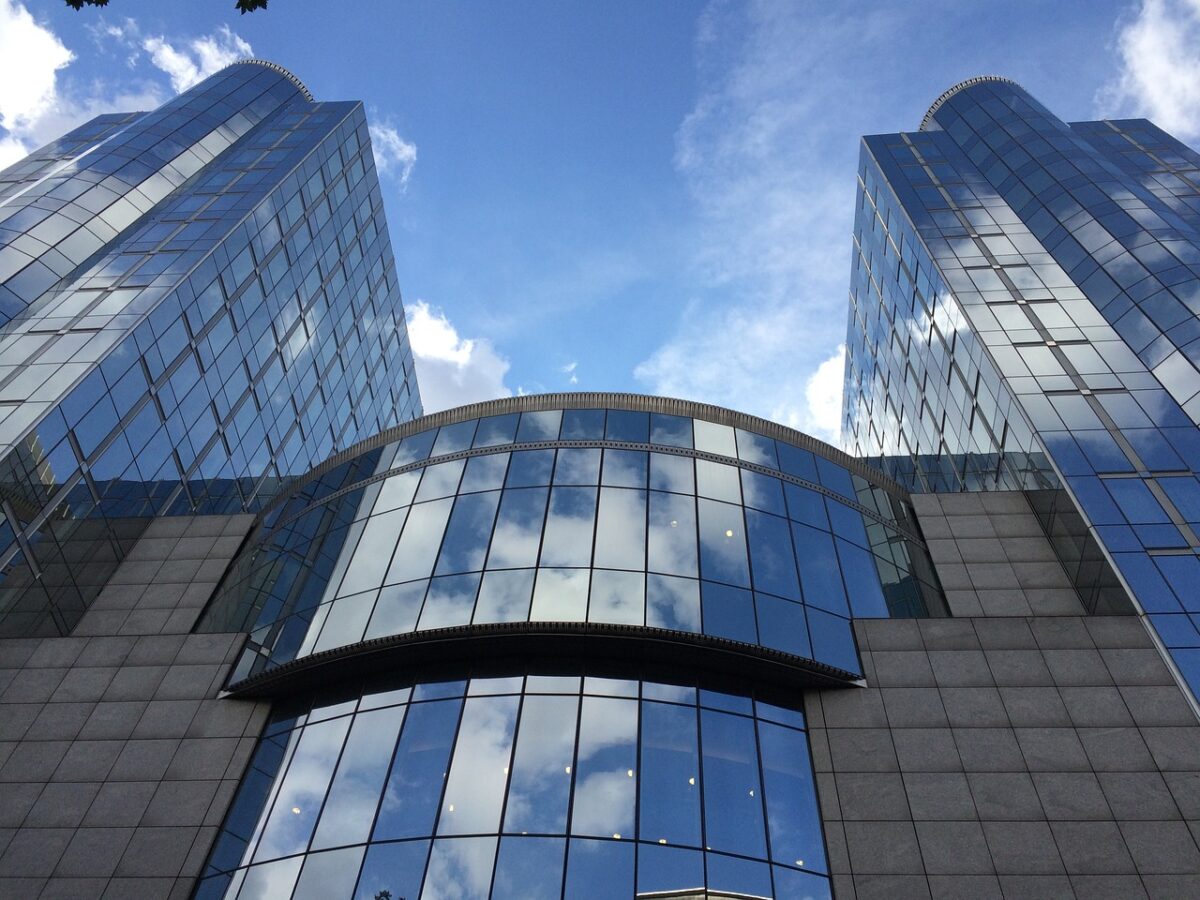
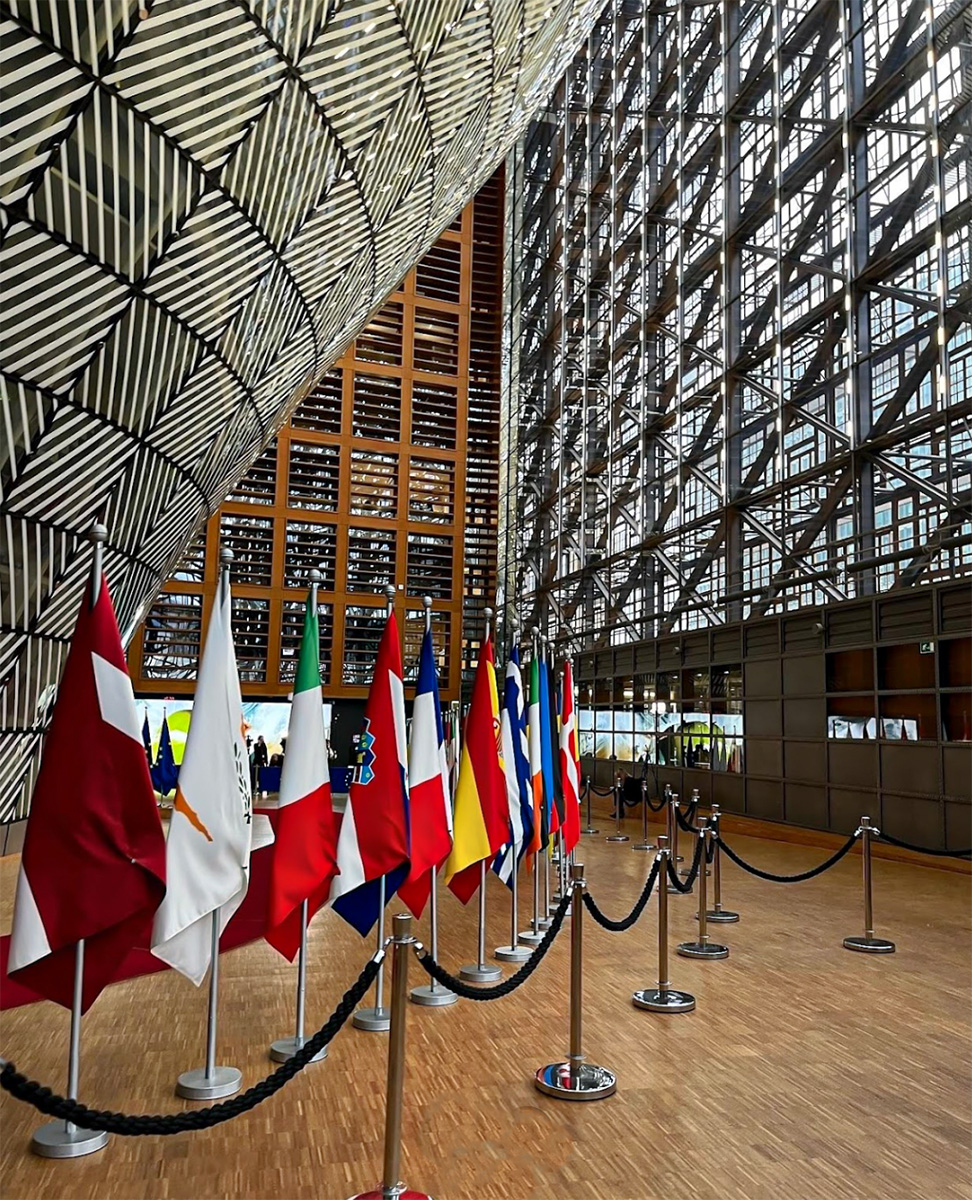
We first encounter the striking Europa Building, one of the most distinctive contemporary buildings in the European Quarter. It is here that the European Council brings together the heads of state or government of the EU Member States for important European summits. The building is also used by the Council of the European Union, where ministers from the Member States meet in different configurations to discuss policies, negotiate and adopt European legislation.
Beside it stands the enormous Justus Lipsius Building, for many years the principal venue for meetings of the Council and European Council and still an important part of their administrative infrastructure. Here we will clarify the important distinction between the European Council, which defines the EU’s broad political direction and priorities, and the Council of the European Union, where national ministers represent their governments and participate directly in European law-making.
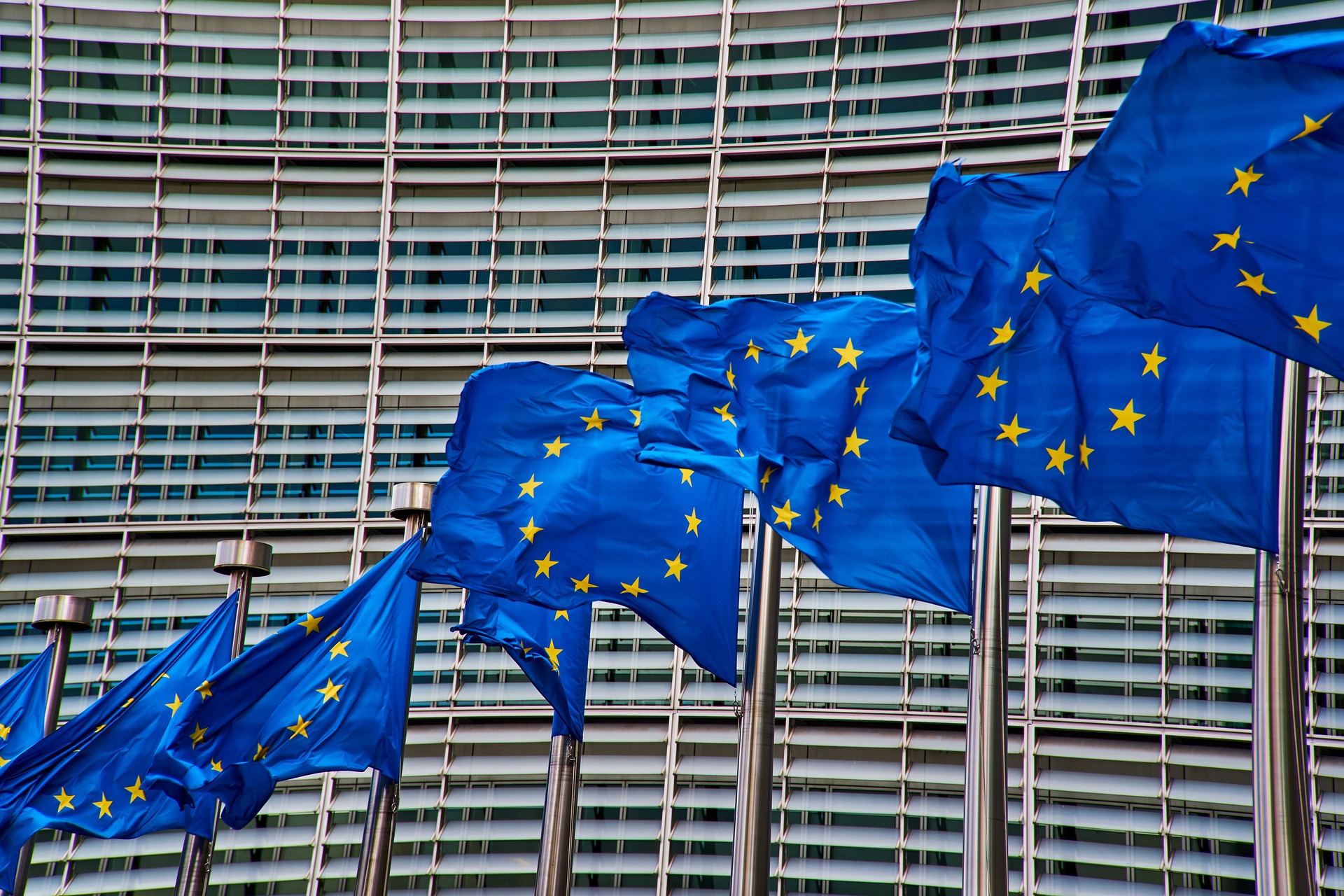
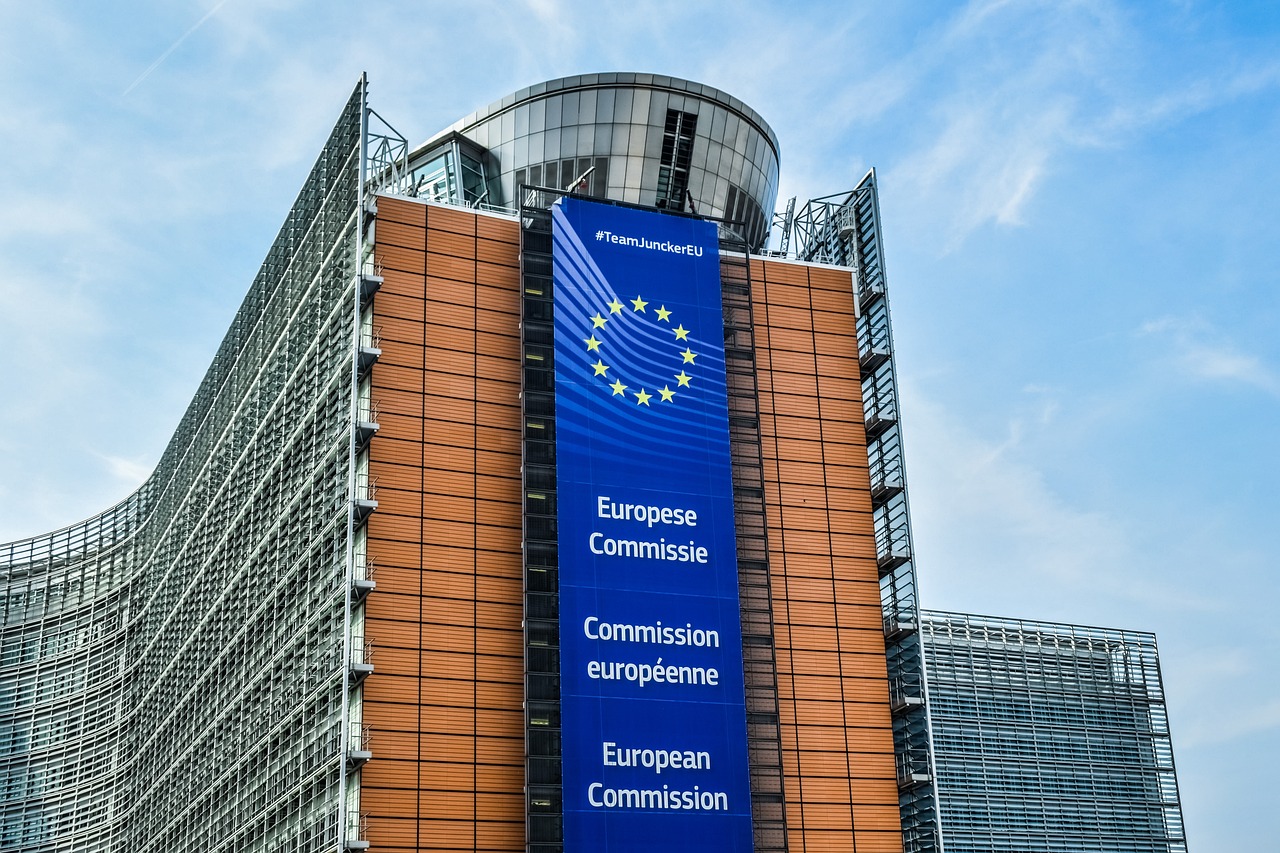
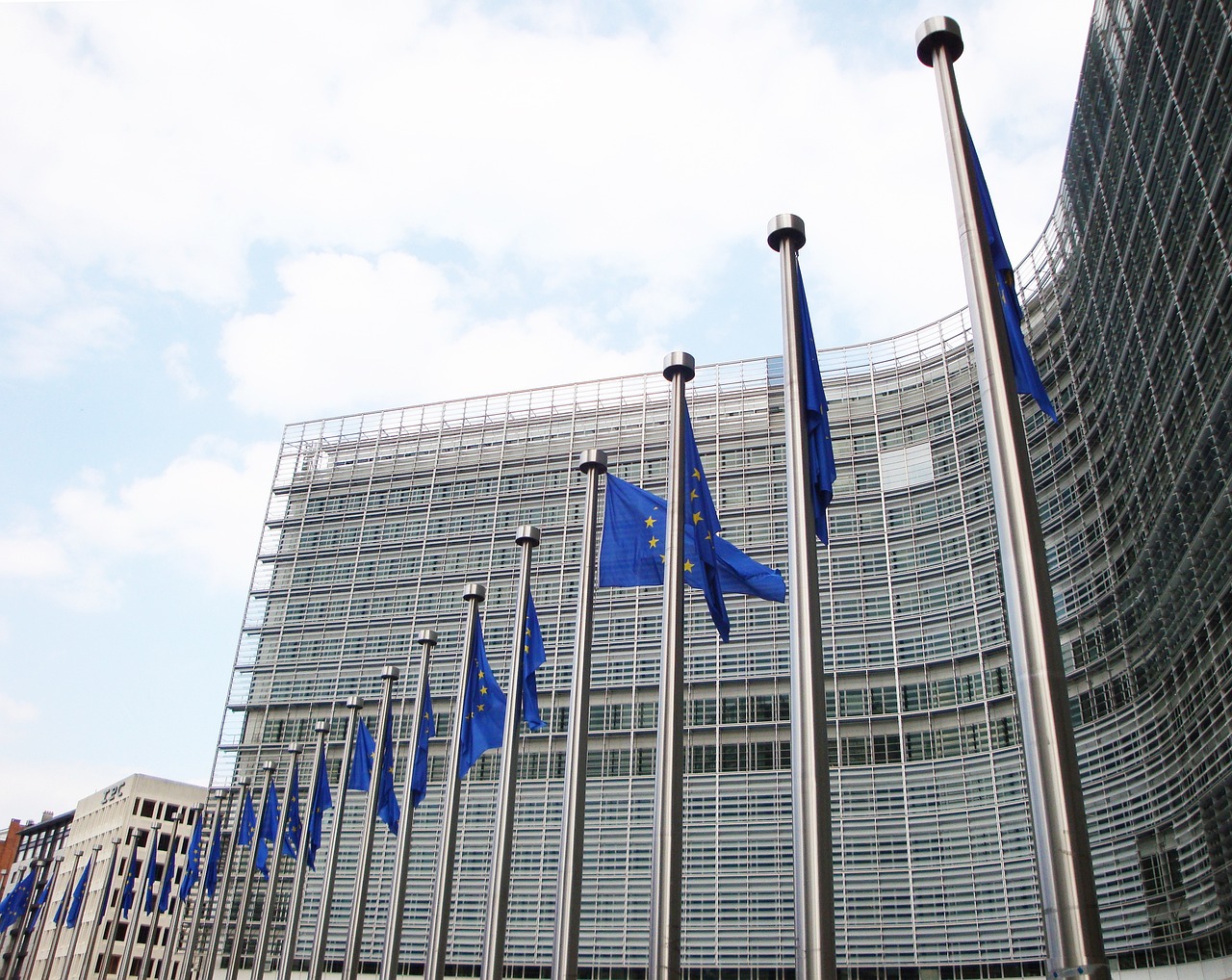
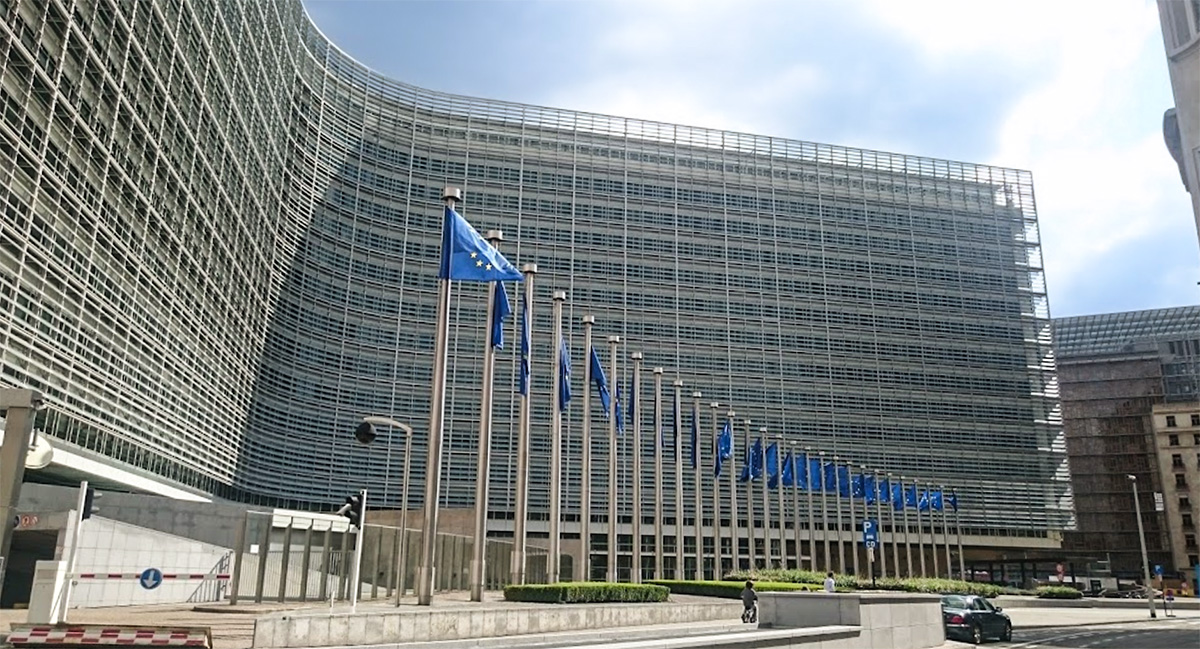
Across the Schuman junction rises the unmistakable Berlaymont Building, headquarters of the European Commission and one of the most recognisable architectural symbols of the European Union in Brussels. Here we discover the Commission’s distinctive role: proposing most new European legislation, implementing European policies and programmes, managing the EU budget and monitoring the application of European law across the Member States.
Nearby, we also pass the Charlemagne Building and other European offices while discussing how politicians, civil servants, diplomats, journalists, advisers, lobbyists and representatives from across Europe have transformed the European Quarter into one of Brussels’ most international neighbourhoods. Rather than simply identifying buildings, we will connect them with the people and institutions working inside and understand how decisions move from an idea to European legislation.
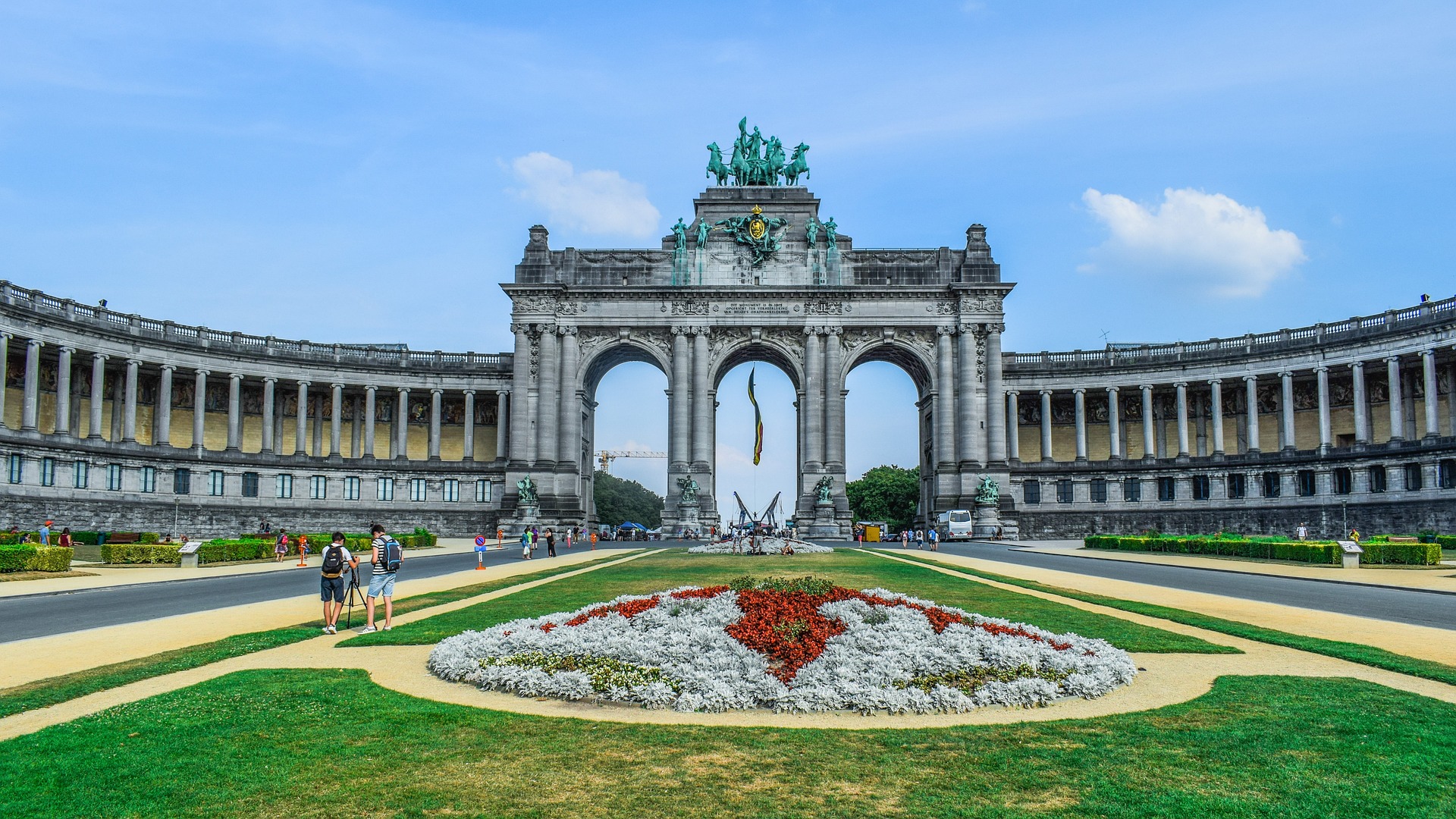
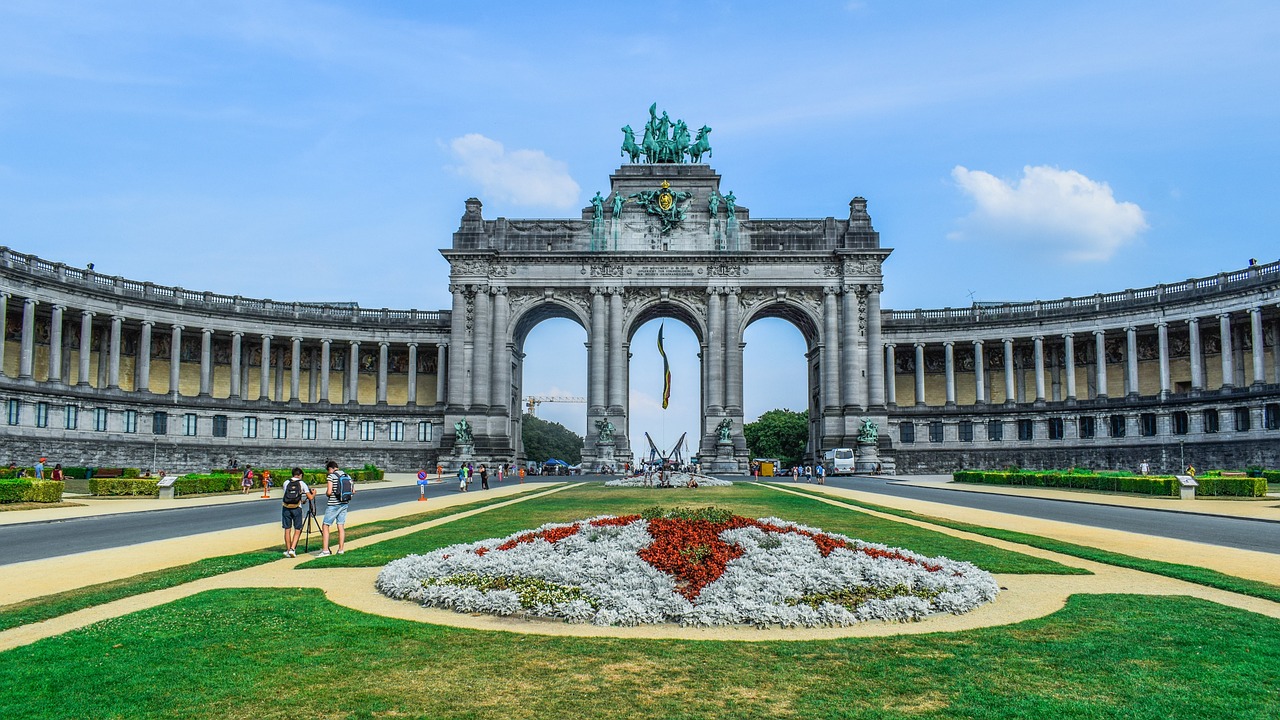
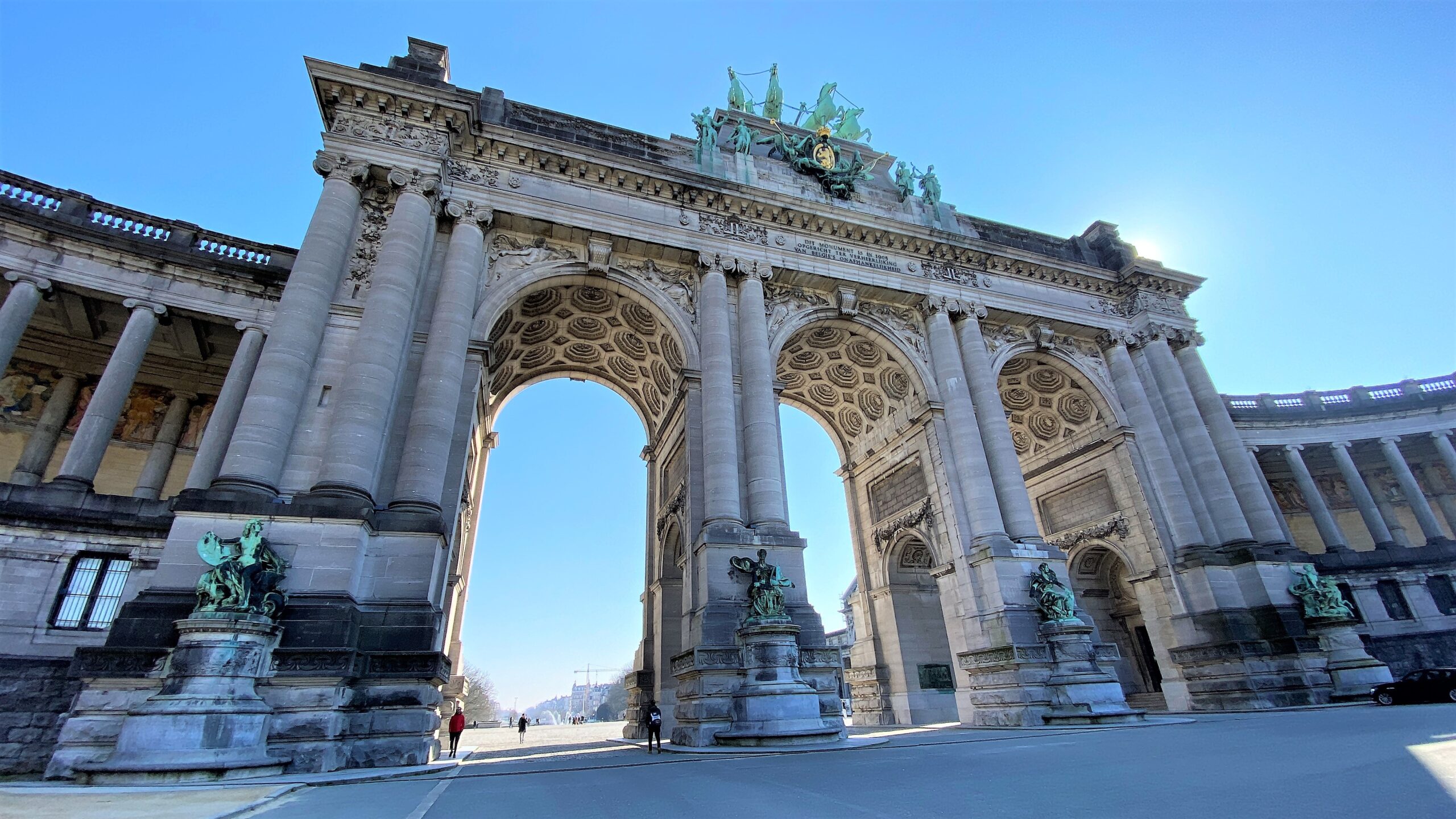
Our journey concludes in the magnificent Cinquantenaire Park, created in the late 19th century to celebrate 50 years of Belgian independence. Its monumental triumphal arch, broad avenues and impressive museum buildings provide a spectacular architectural finale to our exploration. From here, we can look back towards the European Quarter and reflect on Brussels’ remarkable transformation from the capital of a young Belgian kingdom into one of the principal centres of European political life.
By the end of the tour, the European Quarter will no longer seem like a collection of anonymous glass buildings and complicated institutional names. You will have visited the European Parliament and the House of European History, discovered where major European decisions are debated and made, and gained a much clearer understanding of the history, institutions and people behind the European Union.
The price for this private tour depends on the size of your group. Prices are per group, not per person. The price includes my private tour guiding services for 4 hours, based on the itinerary described above, including the planned visits to the European Parliament and the House of European History.
- The price per group of up to 4 people: € 170 per group
- The price per group of 5 to 8 people: € 190 per group
- The price per group of 9 to 15 people: € 210 per group
For groups of more than 15 people, please send me an email or complete the booking form, indicating the exact number of people in your group.
Please note: Each additional hour is charged at € 40 per group for groups of up to 15 people. For groups of more than 15 people, extended-tour pricing is quoted individually.
ADDITIONAL OPTIONS
Admission to the Parlamentarium and Experience Europe is free of charge. However, each of these attractions normally requires approximately one additional hour to visit and is therefore not included within the standard 4-hour itinerary. If you would like to include either of them, please let me know when making your booking request so that the tour duration can be extended accordingly.
Food, drinks and any other personal expenses are not included in the tour price.
The suggested meeting point for this private tour is in front of Station Europe, the European Parliament visitor point at Place du Luxembourg, 1050 Brussels.
View the exact suggested meeting point on Google Maps.
However, you may also choose another meeting location based on your requirements and preferences.
- The Private Walking Tour of the European Quarter of Brussels has a standard duration of 4 hours. The itinerary includes a visit to the European Parliament and its Hemicycle, as well as a focused visit to the House of European History. Additional tour time can be arranged in advance, subject to availability.
- Please note that visits to the European Parliament are subject to the Parliament’s official calendar, opening arrangements, reservation availability and security requirements. On certain dates, particularly during parliamentary sessions, institutional events or other official activities, access to the Hemicycle may be restricted or unavailable. I will check the current visiting arrangements in advance and adapt the programme accordingly.
- When access to the Hemicycle is not possible, the programme can normally be adapted to include another European visitor experience, such as the Parlamentarium or Experience Europe, depending on opening hours and availability. This ensures that the tour still provides a comprehensive and engaging introduction to the European institutions.
- Visitors entering the European Parliament must pass through a security check and should carry a valid physical passport or national identity card. Additional identification or registration requirements may apply depending on the type of visit. I will advise you of the necessary arrangements before the tour.
- The visit to the House of European History concentrates on selected highlights of the permanent exhibition so that it can be comfortably combined with the rest of the four-hour walking tour. A more extensive museum visit can be arranged by extending the duration of the tour.
- Because the European Quarter is an active political and administrative district, the exact itinerary may occasionally be adjusted due to European summits, official meetings, demonstrations, security measures, construction works, temporary access restrictions or other circumstances.
- If you would like to spend additional time at the Parlamentarium, Experience Europe, the House of European History or another European visitor centre, please let me know when making your booking request. Depending on the attraction chosen, additional tour time may be required.
- The best way to book your tour is by using the booking form on my website. I will carefully check your request, the opening arrangements of the European institutions and the availability of the required visits before confirming your tour.
- You may also send your booking request by telephone at +32 487 670 312, via WhatsApp or Viber, or by email at info@toursinbelgium.com
- If you have any special requirements, particular interests or reduced mobility, please let me know in advance so that I can adapt the tour where possible.
- Upon confirmation, I will send you a booking reference number by email together with payment instructions and any practical information required for your visits to the European institutions.
- Please check the weather conditions before the tour and dress accordingly. Comfortable walking shoes are recommended, as the itinerary combines several interior visits with a substantial walk through the European Quarter.
SEND YOUR INQUIRY
This inquiry form is for the Private Walking Tour of the European Quarter of Brussels.
I will carefully check your request and confirm availability within 24 hours.
Check my other tours in Belgium